


There's a thought that occurs to every creator at some point...
Can someone actually get to me?
Can they show up at my house? Find my family? Cross the line from "person who comments on my videos" to "person standing in my driveway?"
That's the tiny fear that lives in the back of your head when the DMs start feeling weird, when a comment mentions something you said months ago that you forgot about, when someone knows just a little bit more about your life than they should.
It's absolutely the right thing to worry about - it's just the wrong place to start.
Safety (whether someone can actually reach you) is the outcome of getting the systems built correctly.It's what you end up with when everything underneath it is working.
Most creator safety advice starts with a myriad of random tips and then just stays there. You get told to block the scary person, report the account, add a security camera to your house and move on.
The problem is that by the time you're worried about someone showing up at your door, the decisions that determined whether that was possible were already made months ago - maybe years go. Back when you filed your LLC, or set up your business address, or created that account you forgot about.
Safety is a result - you don't build it directly, you build the layers underneath and safety is what you get when those layers are solid.
Think of safety like getting dressed to go out in a blizzard.
The best strategy to keep you warm is to dress in layers. You need base layers, socks, boots, a mid-layer, a coat, maybe snowpants, gloves, hats. There's a lot of components to your keeping-warm system.
You wouldn't walk out in a blizzard in just a coat and nothing else. The coat matters, sure - it's one of the things standing between you and the weather - but it only works if what's underneath of it is solid. If you're standing outside in just a coat and your underwear in a blizzard, you're going to end up pretty damn hypothermic.
But the issue isn't that the coat didn't work the way it was supposed to. It did. It was that you didn't have the rest of the system in place. The coat on it's own wasn't sufficient.
Protection works the same way. Build layers, build a system, you get a better result.
The outer layer: privacy
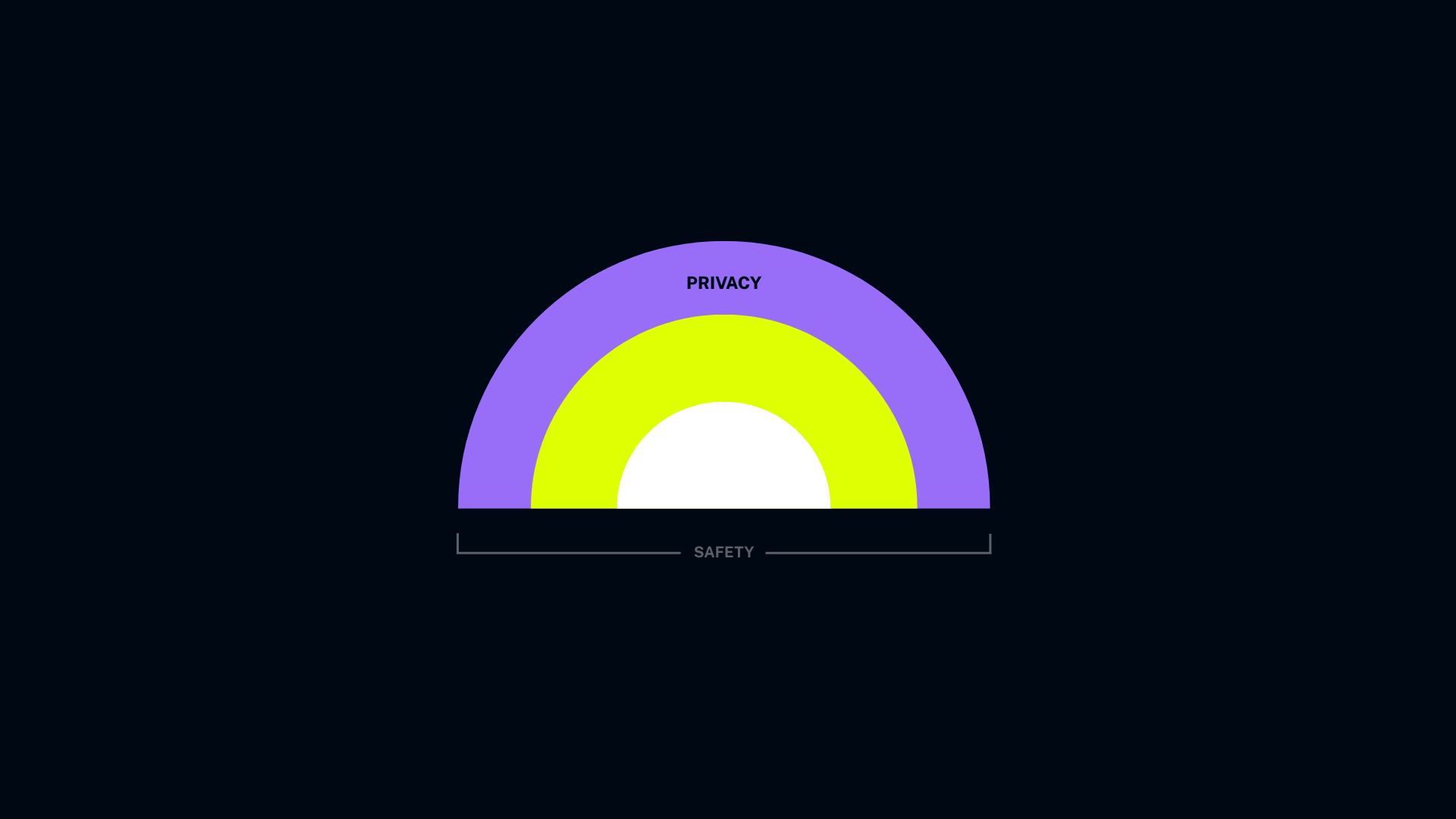
What's findable: what a stranger can learn about you from their couch, before you know they're looking
Having good privacy layers means protecting access to information about you - what's out there, what's findable. It's about preventing what someone can learn about you (sometimes without you even knowing). That might be your address, your routines, your family's names, or where your kid goes to school.
If you can prevent someone from getting access to the information... it makes it a whole lot harder for them to get to you. If they don't know where you are... how do they get to you?
Think about privacy like your coat - your outer layers. When you have it on, it's working to keep you safe, dry, warm... really without you even thinking about it. You put on the coat, and you know (even if you're only wearing a t-shirt underneath) that you're decently protected, at least for a while.
There's a lot of information about all of us out there on the interwebs - particularly if you happen to live in the US - most of our data is public and for sale. For most people, in most states, your home address, your voter registration, your property records... they're all just... out there, easily searchable. With a simple web search, you can find someone's voter registration - and in a lot of states, it'll tell you their birthdate, home address, party affiliation - sometimes even when the last time they voted was. Data brokers also hoover up our data from public records, credit bureaus, databases for sale... and then they package it up and sell it to whoever is willing to pay.
And the crappy thing about all that info floating around out there... it's mostly not about what you've consciously shared. It's about what's been made findable by the ordinary business of living your life - forming a company, registering to vote, buying a house, just existing in public records systems that were designed for profit, not privacy.
Most threats don't start with a hack, they start with a search.
If someone can find your address before they've done anything hard, your privacy layer isn't doing it's job.
How do you do that?
Create a solid privacy layer as your outer defense - meaning keep people who shouldn't have all of that data from getting it.
If your location is private... it's WAY harder for someone to get to you - because they don't even know where you are.
The goal of the privacy layer is to protect your information, protect your data - it's to keep all that info, well... private. Because even if they have your keys, if they can't find the door... they can't get into your house.
The inner layer: security
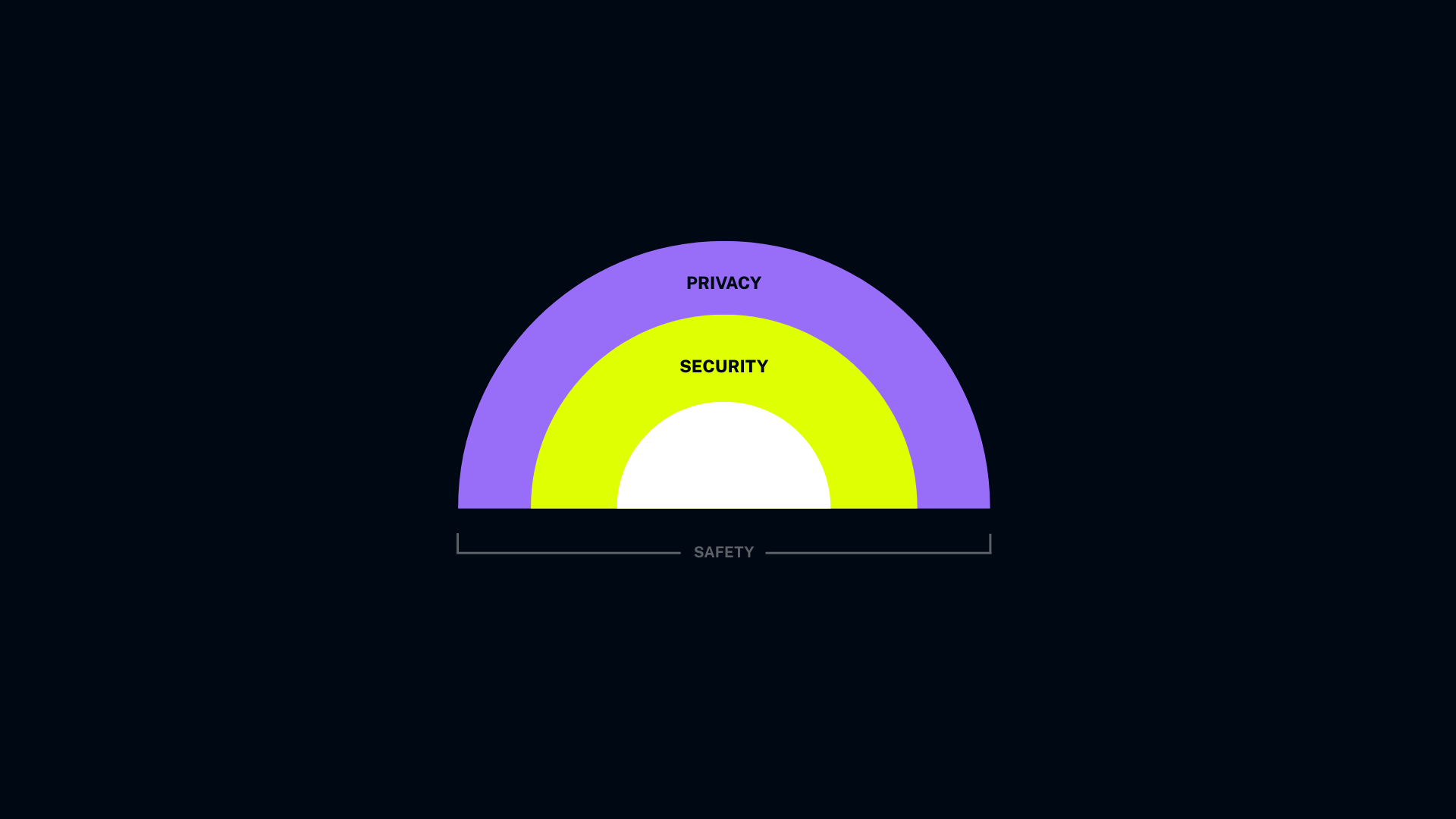
What's accessible: what someone can get into once they start actively trying
The next layer of protection is your security layer. It's all about protecting and preventing against what someone can do if they get through your privacy layer. Can they get into your accounts, your email, your DMs?
If privacy is your coat, security is your base layers - it's there to protect you if your coat fails. Say you're out in the blizzard for a while, and your coat soaks through. Your base layers are still there, protecting you and keeping you warm, even if they get wet.
The security layer works the same way. It's the keys to the lock on your front door, so even if they get past your privacy layer and they find the door... they don't have the keys to unlock it and you're still sitting safe and secure inside your house, binging the latest Love is Blind.
Security is about access - your accounts, your email, your DMs. The passwords you're using, the settings you haven't changed, the 2FA you keep meaning to set up. These are the places someone could get into if they started trying.
It's also the unglamorous stuff. The passwords you set in college and haven't touched since. The account recovery email that goes to an address you barely check. The security settings on platforms that default to "convenient" instead of "protected," because that's what keeps people engaged.
None of this is complicated, but it can be a pain in the ass. Most of it just requires someone to go through it systematically - which almost nobody does until something goes wrong.
But security without privacy underneath is a strong lock on a house that anyone can find. That's not a reason to skip the security layer, but it IS a reason to build the privacy layer first - so the security layer is protecting something that isn't already visible.
Safety: the result
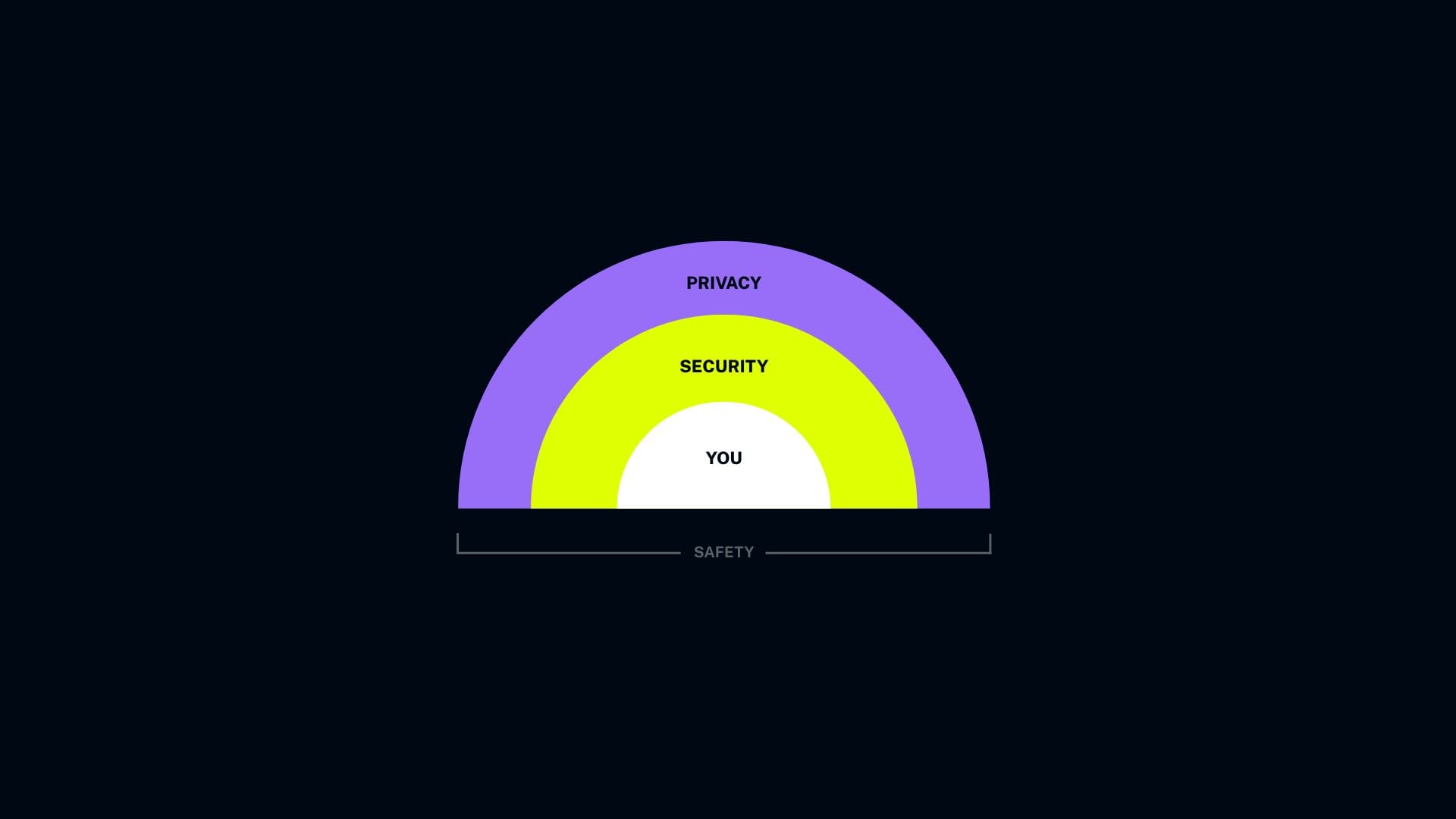
What's reachable: whether someone can actually get to you
Safety isn't a layer you build - it's what you have when the privacy + security layers you built are working.
- Can someone show up where you are?
- Find your family?
- Cross from online to in-person?
That's what creating safety is all about. And it's the result of building infrastructure in your business that protects you.
If you have to think about this stuff all the time, it stays on the to-do list, the "someday-I'll-get-to-that" list. But true safety comes from having systems in the back end of your creator business that just... work. They keep you safe proactively, in the background... like your accountant and bookkeeper doing your taxes, or your lawyer making sure you don't get sued.
Safety should be ongoing infrastructure in a creator business, not a one-off project.
So... how do you get safe?
You build privacy infrastructure that keeps your information and data invisible. Then you layer on good security practices and routines that keep the keys away from folks who want to get in the doors.
Create layer upon layer, build system on top of system... and you end up with a shield around you and your business that keeps you and anyone else at the center protected.
Why most creators have this backwards
The natural order of how most creators approach this looks something like:
- Something scary happens
- You react at the safety level - block the account, report it, etc.
- Then you tighten security - change your passwords, finally turn on 2FA, lock down your settings temporarily
- Then, move on
The privacy layer almost never comes up because nothing made it obvious that's where the problem started. The scary thing was visible. The thing that made it possible wasn't.
But here's what actually happened → by the time something went wrong at the safety level, the privacy layer had already been compromised. Someone already found your address, already connected your public presence to your private life. The reactive steps you took after were cleanup, not protection.
The window to build the privacy layer exists before anything goes wrong. Once someone has your address, removing it from a data brokers site doesn't unring the bell. Once your home is connected to your name somewhere, the info exists whether or not it's still in those public databases.
This is why the order matters - and why starting at the outer layer (privacy), the one that might feel least urgent because nothing's gone wrong yet - is the most important move you can make.
Because no one wants to be standing outside in a blizzard in their underwear.
Where most creators actually are
If you've been a creator for any length of time, you've probably done something at the security layer. You changed a password after something felt off. You turned on 2FA or set up a passkey at some point. Locked down your location settings.
Almost no one has looked at the privacy layer. Not because it's hard, but because nothing made it obvious that's where the gaps are.
The data broker listing doesn't send you an alert. The LLC filing doesn't come with a warning. The voter registration database doesn't tell you it's publicly searchable.
The privacy layer is quiet. Right up until it isn't.
That's where the work starts, and almost always where the biggest gaps are.
If you want to know what's actually out there about you right now, that's what a Scout Investigation is for. We look at your digital footprint the same way a stalker would and tell you exactly what's findable, what's dangerous and what to do about it.
Because the best time to find out what someone could find about you is before they go looking.

